Age of leaders

A recurring theme among world leaders. But Trump and Putin are not the oldest men leading their nations. How exceptional is it to hold the highest office when well over the retirement age?

1AIn the spring of 1990 a boy named Balendra Shah was born in the centre of Kathmandu, Nepal.

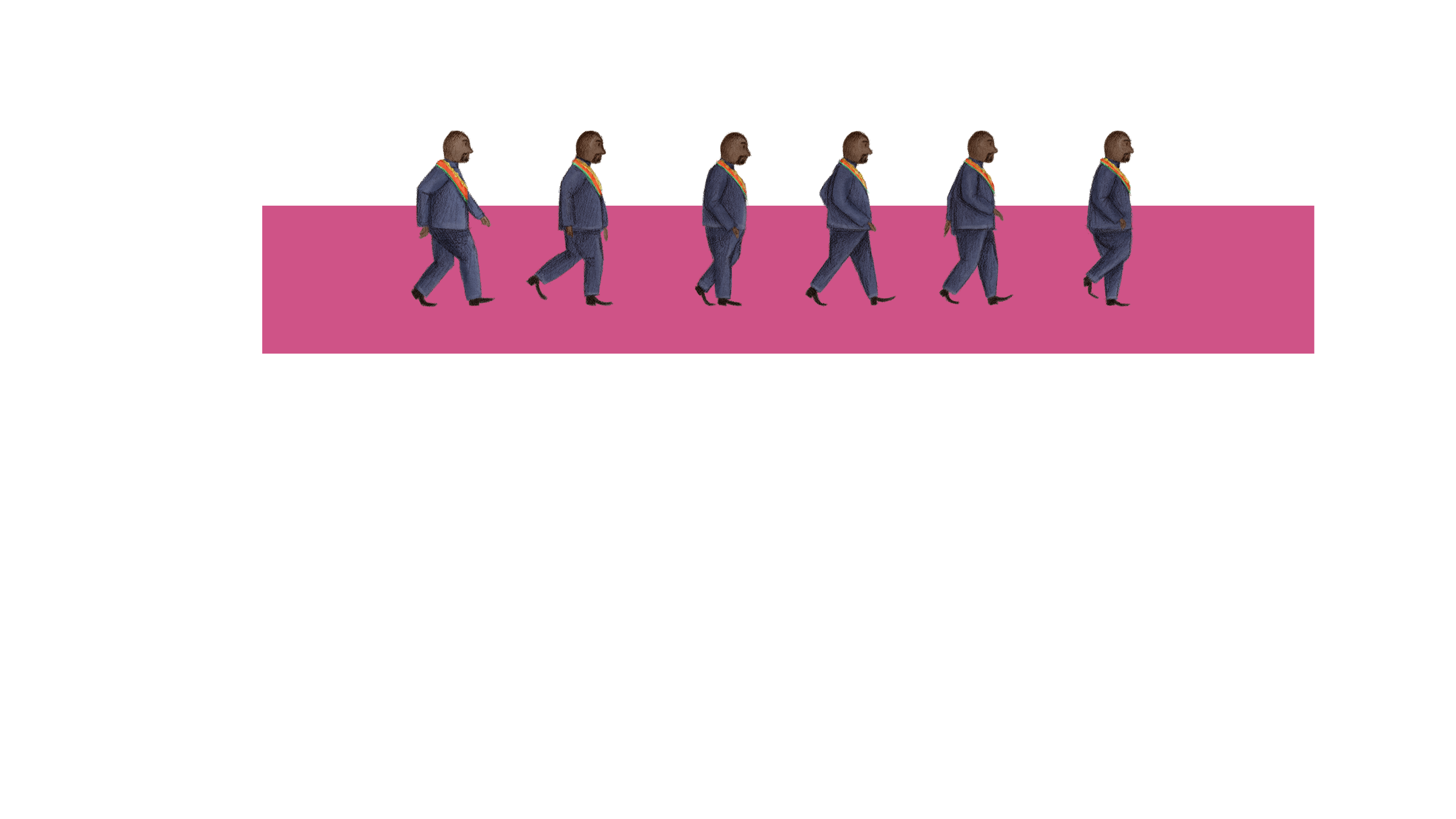
1BFar away from this all, 57 year old Paul Biya was leading Cameroon for 7.5 years already.

2AThree decades later Balendra Shah, or Balen as many would call him, first became an engineer, a rapper on the side and got elected mayor of Kathmandu at age 32.

2BMeanwhile, Paul Biya was still in power and serving his seventh term.

3AFour years later, Balen resigned to become prime minister of Nepal.

3BAlmost 6 months earlier, Biya got re-elected for an eighth term.

4AThe age difference between these two is clear: Balen knows how to reach Nepalis through his millions of followers on social media.

4BBiya on the other hand can barely be reached at all. Rumours fly around on his health or if he’s even alive at all and he vanishes abroad for stretches of time.

5A One thing they do have in common: they’re both current country leaders. One the youngest and the other one the oldest. These bars represent their life.

5AAThe line on the left side of the bar represent the day they were born

5AAAthe whole bar their entire lifespan

5AAAAand the dark part of the bar their tenure as country leader.

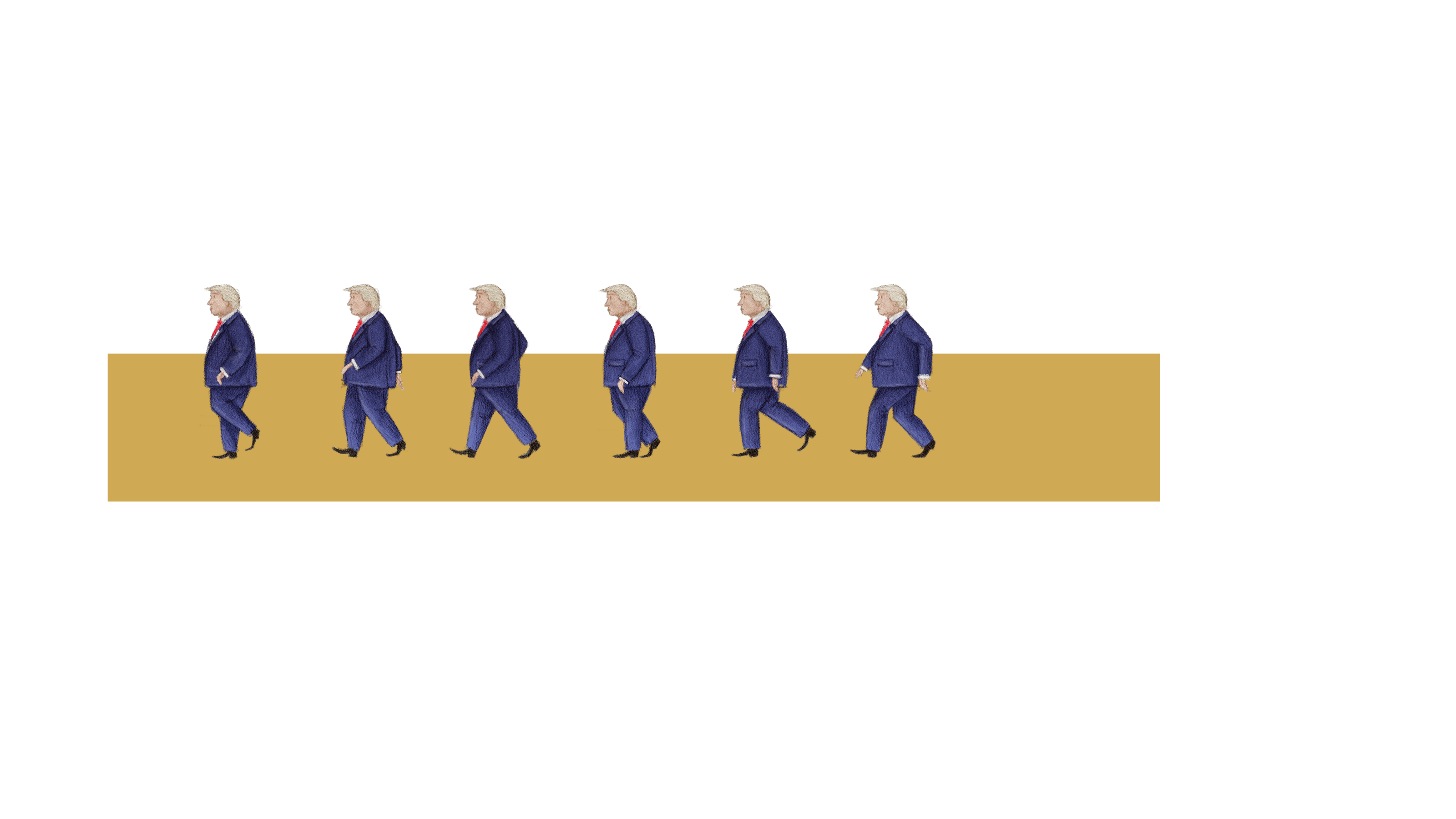
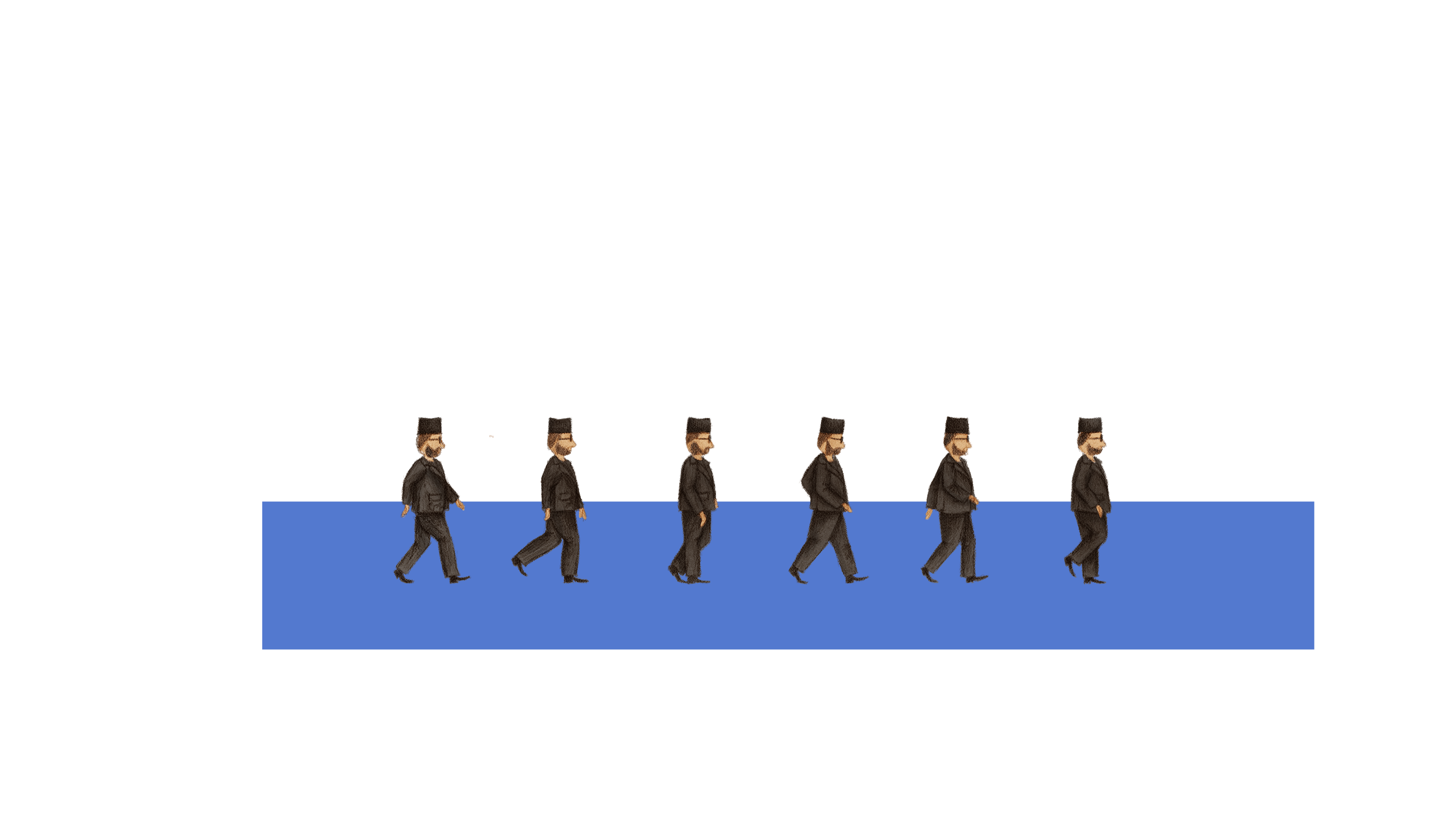
5ABWhile Biya’s tenure consists of consecutive re-elections, some have gaps. Undoubtedly the two most famous ones being Vladimir Putin and Donald Trump.

5BBalen and Trump lead a democratic country, Biya and Putin an electoral authoritarian regime.

5BBThere are also authoritarian countries, such as Guinea. Mamady Doumbouya is the interim president of his country since the military coup in 2021.

6These are (almost) all current country leaders, when they were born and their tenure.

Scroll down to learn more

Sources Pew Research Center, V-Dem


About the data

Data on birthdates is based on the analysis of Pew Research Center. Their analysis focuses mostly on heads of government as defined by a country’s political system or constitution. They excluded six UN member states because their leader’s exact birth date could not be determined: Afghanistan, Guinea-Bissau, Madagascar, Niger, Sao Tome and Principe, and Somalia. They also excluded San Marino, which is led by two captains regent who share power equally. To learn more about their methodology, click here.

Years in power are calculated from the start of the current tenure to today's date. Where a leader had earlier tenures, the total is shown in brackets.

Data provided by Pew Research Center is based on the ages of the leaders as of June 14, 2026. I have updated this dataset as of 2nd November 2026 using regional news articles of the following countries: Serbia, XXXX. All ages and current heads of states are thus as of 2nd November 2026.

Regime types come from the V-Dem regime classification. For readability purposes I have combined their disctinction between an electoral and liberal democracy into one category 'democracy', though I awknowledge important details are lost due to this choice.


AI usage

AI was used for the development of the scrollytelling, including generating the data visualisations. All design choices have been made entirely without AI. Research, text and data updates have also been done without the use of AI.

Credits

Concept, illustration, research: Kwennie Cheng